
November 25th: Breaking the Silence, Holding Space, and Standing Together Against Violence
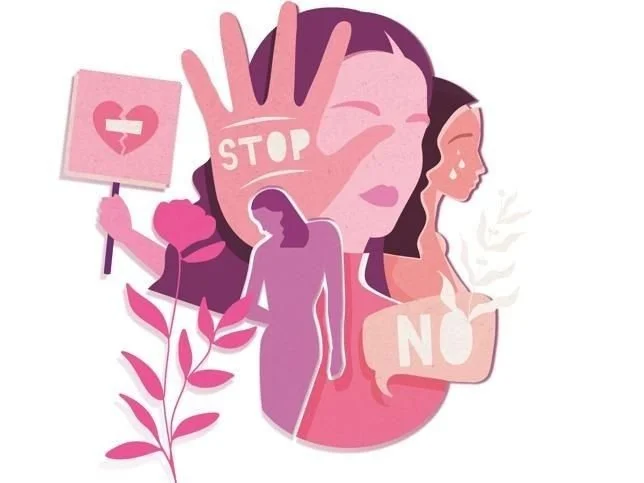
November 25th is the International Day for the Elimination of Violence Against Women, a globally recognized day to raise awareness, support survivors, and call for the end of gender-based violence in all its forms.
But this day isn’t just about women — it’s about humanity.
While women and girls are disproportionately affected, gender-based violence impacts people of all identities — including transgender women, non-binary individuals, 2SLGBTQIA+ communities, Indigenous women, women of colour, immigrants, refugees, and people living with disabilities.
This violence is not only physical. It is emotional, sexual, psychological, financial, institutional, and cultural.
1 in 3 women globally will experience physical or sexual violence in their lifetime ( WHO, 2025).
In Canada, a woman is killed by her intimate partner every 6 days.
Indigenous women are 6 times more likely to be murdered than non-Indigenous women.
In Turkey, hundreds of femicides occur every year. The “Kadın Cinayetlerini Durduracağız Platformu” (We Will Stop Femicide Platform) continues to document and advocate against this systemic issue.
In both Canada and Turkey, survivors often face barriers like fear of not being believed, language obstacles, financial dependence, immigration risks, and social stigma.
Violence doesn’t always leave visible bruises — but it always leaves an impact.
As a Therapist, What I See
In my work, I witness what statistics cannot capture:
The long-term effects of trauma: hypervigilance, anxiety, depression, shame, nightmares, and difficulties trusting others.
The way abuse erodes self-worth over time.
The heartbreak of someone realizing they’ve been harmed by a person they loved.
But I also witness something else:
🧡 Resilience.
🧡 Courage.
🧡 The quiet power of survivors reclaiming their voice, their peace, and their future.
Therapy can be a vital part of that journey — offering safety, validation, and tools to heal.
How to Recognize Abusive Behavior and When Someone May Need Help
Violence is not always loud.
It’s not always a black eye or a broken bone.
Often, it’s subtle — disguised as concern, control, or "just how relationships are."
Recognizing the signs of abuse is crucial to protecting ourselves and others.
🚩 Common Forms of Abusive Behavior:
Emotional Abuse:
Constant criticism, insults, or humiliation
Gaslighting (making you question your reality or memory)
Blaming you for their anger or problems
Withholding affection or giving the silent treatment to punish you
Psychological Manipulation and Control:
Isolating you from friends, family, or support
Monitoring your phone, social media, or movements
Controlling your money or decisions
Jealousy disguised as "love" or "protection"
Verbal Abuse:
Yelling, name-calling, or threats
Using sarcasm, ridicule, or demeaning language
Making you feel small, stupid, or incapable
Physical and Sexual Violence:
Hitting, slapping, grabbing, pushing
Forcing or coercing sex, even within a relationship
Destroying property or hurting pets
Technological Abuse:
Hacking emails or tracking your location
Releasing or threatening to release intimate photos without consent
Sending harassing messages or using fake accounts to control or stalk
🆘 Signs Someone May Be in an Abusive Situation:
They seem anxious, withdrawn, or fearful, especially around their partner
They cancel plans frequently, often with vague or concerning excuses
You notice changes in personality, self-esteem, or appearance
They speak about needing to "check in" constantly or ask permission to do everyday things
You sense they’re hiding something or making excuses for their partner’s behavior
They mention feeling "crazy" or "too sensitive" — often signs of gaslighting
You suspect they’re being watched, followed, or overly controlled
They’ve expressed fear but laugh it off — minimizing real danger
You don’t have to have all the answers to be supportive.
Sometimes, simply saying:
“I’m here if you ever want to talk.”
“I’ve noticed you haven’t seemed like yourself lately — are you okay?”
“You don’t deserve to feel afraid or controlled.”
…can open a door.
How We Can All Make a Difference
You don’t have to be a therapist, lawyer, or activist to stand against violence. Small actions matter.
💬 1. Speak Truth
Call out harmful jokes, victim-blaming, and silence. Normalize conversations about consent, respect, and emotional safety.
👂 2. Listen Without Judgment
If someone shares their experience with you, believe them. Don’t ask “Why didn’t you leave?” — instead ask, “How can I support you?”
📚 3. Educate Yourself and Others
Learn about trauma responses (like fawning, freezing, or dissociation). Understand that leaving an abusive situation is complex — especially when children, finances, immigration status, or safety are at stake.
🫶 4. Be a Safe Person
Let people know they can come to you without fear of judgment, gossip, or blame.
🌱 5. Teach and Model Healthy Relationships
Whether with your children, partner, or community — model boundaries, empathy, and consent.
For Survivors Reading This
If you have lived through violence, abuse, or coercion — please know:
✨ It is not your fault.
✨ You are not alone.
✨ There is no “right” way to feel or heal.
✨ You are allowed to take up space. To rest. To say no. To rebuild.
✨ Your story is valid. Your safety matters. Your healing is sacred.
You are not broken. You are brave.
✨ Let This Day Be a Spark
Let November 25th be more than a hashtag. Let it be the start of deeper conversations. Of changed attitudes. Of safer homes.
We can’t undo the past — but we can shape the future.
🧡 By listening.
🧡 By believing.
🧡 By caring — even when it’s uncomfortable.
🧡 By standing together, even when the world feels divided.
Violence thrives in silence.
But healing begins when we speak.
Where to Find Support (Canada, Ontario, Turkey)
🌍 Canada-Wide Resources
ShelterSafe.ca – Find a shelter near you: www.sheltersafe.ca
Canadian Women's Foundation: canadianwomen.org
Assaulted Women’s Helpline (24/7): 1-866-863-0511
📍 Ontario-Specific Support
Fem’aide (French-speaking women): 1-877-336-2433 | femaide.ca
Ontario Coalition of Rape Crisis Centres: sexualassaultsupport.ca
Talk4Healing (for Indigenous women): 1-855-554-4325 | talk4healing.com
🌏 Turkey-Based Resources
KADES (Women Emergency Support App) – Official mobile app from the Turkish Ministry of Interior
Mor Çatı Kadın Sığınağı Vakfı (Purple Roof Women’s Shelter Foundation): morcati.org.tr
Kadın Cinayetlerini Durduracağız Platformu (We Will Stop Femicides): kadincinayetlerinidurduracagiz.net
ALO 183 – Social Services Hotline (Turkey’s national line for women, children, and people with disabilities): free and 24/7
Written by Nilgun Tunali, RP (Qualifying)
This blog is intended for education and reflection. It is not a substitute for therapy or clinical advice.
