
The Emotions We Learned to Hide: Understanding Emotional Suppression
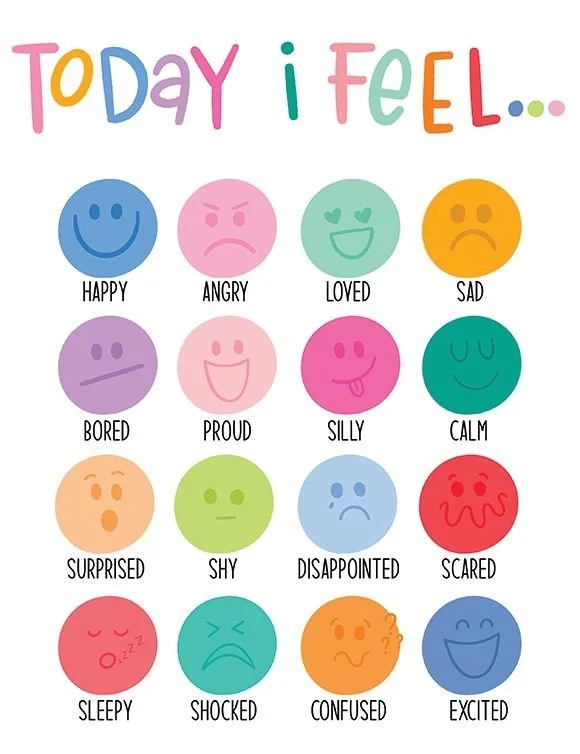
Have you ever said “I'm fine” when you weren't? Smiled through disappointment, held back tears, or convinced yourself that what you were feeling wasn't important enough to express?
Sometimes, we become so accustomed to setting our emotions aside that we stop noticing we're doing it.
For some, expressing feelings comes naturally. For others, vulnerability can feel unfamiliar, uncomfortable, or even unsafe. But where do we learn these responses, and what happens when hiding our emotions becomes a familiar way of navigating life?
Where Do We Learn to Hide Our Emotions?
Our relationship with emotions begins developing long before we have the words to describe them.
As children, we observe how the people around us respond to sadness, anger, fear, excitement, and disappointment.
Perhaps you heard:
“Don't cry. You're okay.”
“You're being too sensitive.”
“There's nothing to be upset about.”
“Be strong. Don't let anyone see you struggle.”
These messages are not always delivered with harmful intentions. Parents and caregivers may be responding from their own upbringing, cultural expectations, or uncertainty about how to support difficult feelings.
Yet, over time, repeated experiences can influence what we come to believe about our emotions.
We might learn that sadness should be hidden, anger creates conflict, or expressing our needs makes us a burden.
Eventually, what began as a way of managing our environment may become an automatic response, even when our circumstances have changed.
What Is Emotional Suppression?
Emotional suppression involves consciously or habitually holding back the outward expression of emotions.
It is important to recognize that choosing not to express an emotion is not always unhealthy. Sometimes, we need privacy, time to reflect, or an appropriate moment to communicate what we're experiencing.
The difficulty may arise when suppressing emotions becomes our primary way of coping, particularly when we no longer feel comfortable acknowledging those emotions even to ourselves.
Research on emotion regulation suggests that habitual expressive suppression can sometimes be associated with greater emotional strain and difficulties with interpersonal connection. However, its effects vary depending on the individual, situation, and cultural context.
When Being Strong Means Staying Silent
For many people, emotional restraint is connected to messages about strength, responsibility, and belonging.
Some grow up believing they must remain composed to protect others. Others learn that maintaining harmony means avoiding disagreement or keeping personal struggles private.
Culture can also shape these experiences. Families and communities hold different values around emotional expression, privacy, respect, and relationships.
There is no single culturally appropriate way to express emotions. What matters is understanding whether our emotional responses reflect our values and choices, or whether we feel unable to respond differently.
Consider someone who is always described as “the strong one.”
They may be the person everyone turns to for support, yet struggle to ask for help themselves.
Not because they don't need support, but because being the dependable one has become such a familiar part of their identity.
Sometimes, the question isn't simply “Why don't I express my feelings?”
It's “What have I learned might happen if I do?”
What Happens to the Emotions We Don't Express?
Emotions do not necessarily disappear because we choose not to share them.
We may notice their presence through irritability, difficulty identifying our needs, emotional exhaustion, or feeling disconnected from ourselves or others.
At times, someone might say, “I don't know what I feel,” when they've spent years prioritizing what others need or expect.
This does not mean every unexpressed emotion causes harm. Rather, repeatedly disconnecting from our emotional experiences may make it harder to understand what those feelings are communicating.
Emotions can offer valuable information about our needs, boundaries, relationships, and experiences. They do not always tell us what is objectively true, but they are worth approaching with curiosity.
Learning to Make Room for Our Emotions
Developing a healthier relationship with emotions doesn't require sharing everything with everyone or becoming comfortable with vulnerability overnight.
It can begin with small moments of awareness.
Pause and name what you're feeling. Instead of immediately dismissing an emotion, ask yourself, “What might I be experiencing right now?”
Notice your automatic responses. Do you apologize for being upset, minimize disappointment, or quickly reassure others that you're fine?
Explore what you learned. Consider how emotions were expressed in your family or community. Which feelings were welcomed, and which seemed harder to share?
Practice safe expression. Journaling, talking with someone you trust, or exploring feelings in psychotherapy may help you build emotional awareness at your own pace.
Most importantly, remember that acknowledging an emotion does not mean you must act on it. You can experience anger without reacting impulsively, feel sadness without explaining it to everyone, and recognize a need without immediately knowing how to meet it.
A Final Reflection: You Don't Have to Earn the Right to Feel
Perhaps there were moments in your life when staying quiet helped you maintain connection, avoid conflict, or navigate difficult circumstances.
Those responses may have served an important purpose.
But as we grow, we can begin exploring whether the ways we learned to protect ourselves still support the lives and relationships we want today.
You can appreciate how you learned to cope while also allowing yourself to develop new ways of relating to your emotions.
Emotional awareness isn't about feeling everything intensely or expressing every thought aloud. It's about creating enough space to recognize your internal experiences with curiosity rather than judgment.
And sometimes, that begins with a simple question:
“If I didn't have to minimize what I'm feeling right now, what might I notice?”
This article is intended for general psychoeducation and reflection. It is not a substitute for individualized mental health assessment or psychotherapy.
