
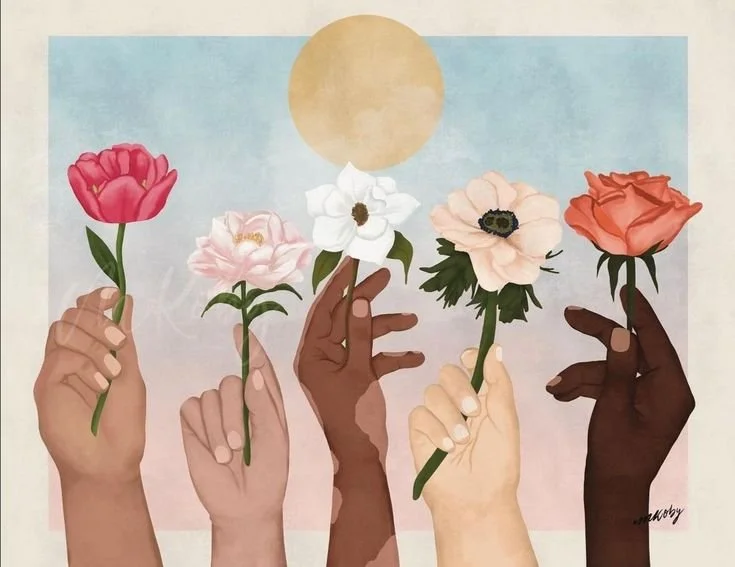
International Day for the Elimination of Violence Against Women — November 25, 2026
What does it mean for a woman to feel safe?
Is it simply the absence of physical harm, or is it also the freedom to express an opinion, make a decision, pursue an aspiration, say no without fear, and be herself without constantly considering someone else's reaction?
As a woman and a psychotherapist, I believe conversations about violence against women must extend beyond what is visible. They must also acknowledge what is experienced emotionally, psychologically, relationally, and socially.
Every woman has a story beyond what others may see. Understanding her experiences begins with making space for her voice rather than defining her story for her.
A Responsibility Beyond Awareness
November 25 marks the International Day for the Elimination of Violence Against Women and the beginning of the 16 Days of Activism Against Gender-Based Violence, concluding on December 10, Human Rights Day.
The 2026 UNiTE campaign emphasizes access to justice, survivor protection, and accountability. The World Health Organization also highlights the importance of recognizing hidden experiences of violence and protecting adolescent girls.
According to WHO's latest global estimates, approximately 840 million women and girls have experienced physical or sexual violence by an intimate partner or sexual violence by someone else during their lifetime.
Violence is not inevitable. It is preventable, and its prevention is a collective responsibility.
Understanding Violence Beyond What Is Visible
Violence has no single shape. It can be verbal or nonverbal, direct or subtle, visible or invisible.
It may take different forms:
Emotional and psychological: Undermining confidence, manipulation, or intimidation.
Verbal and nonverbal: Humiliation, threatening gestures, or deliberate silence used to control.
Financial and economic: Restricting access to money, employment, education, or independence.
Physical: Violating physical safety and bodily autonomy.
Sexual and reproductive: Disregarding consent or reproductive autonomy.
Social and digital: Restricting relationships, monitoring communications, or violating privacy.
Coercive control: Patterns of behaviour that undermine freedom and personal decision-making.
Recognizing violence involves understanding power, control, consent, context, and safety. It can occur at any age and within families, relationships, workplaces, schools, care settings, and communities.
The Emotional Cost of Adapting
Human beings have an remarkable capacity to adapt. However, becoming accustomed to a difficult environment does not necessarily mean feeling safe within it.
From a psychological perspective, experiences of violence can contribute to anxiety, emotional exhaustion, shame, difficulties with trust, and changes in self-perception. Protective responses may include avoiding conflict, becoming increasingly attentive to others' emotions, or questioning personal needs.
Gender expectations, financial dependency, cultural messages, disability, immigration experiences, and social inequalities may further influence women's experiences and access to support.
A woman can deeply value her family, relationships, and cultural identity while also deserving boundaries, independence, and emotional safety.
Understanding the circumstances surrounding her choices is more compassionate than questioning the choices themselves.
Seeing the Woman Beyond Her Everyday Responsibilities
A woman does not need to appear visibly distressed to need support. Sometimes, distress coexists with achievement, laughter, motherhood, education, professional success, and everyday responsibilities.
Possible indicators that someone may need support include:
Increasing withdrawal from relationships or enjoyable activities.
Changes in mood, confidence, or self-expression.
Frequently apologizing or questioning personal decisions.
Appearing anxious about another person's reactions.
Restrictions on financial or personal independence.
Changes in sleep, concentration, or everyday functioning.
These indicators are not proof of violence, and their absence does not guarantee safety.
Rather than making assumptions, we can create opportunities for connection.
When it is safe and private, consider asking:
“How are you feeling beyond your everyday responsibilities?”
“Do you feel safe, respected, and supported?”
“What would feel helpful to you right now?”
Listen, validate, respect her choices, and offer access to appropriate resources without pressure. Avoid confronting the person causing harm. When a child or adolescent may be experiencing harm, seek appropriate safeguarding support.
Empowerment Is About Choice, Not Strength
Women are often encouraged to be resilient. Yet resilience should never become another expectation placed upon them.
From a trauma-informed and feminist-informed psychotherapy perspective, healing may involve rebuilding self-trust, understanding protective responses, reconnecting with identity, and rediscovering personal needs and aspirations.
Therapy can support this process without prescribing what a woman should feel or decide. It can also complement specialized safety, legal, and community services.
Empowerment is not about becoming a particular kind of woman. It is about having the freedom and resources to make meaningful choices about one's own life.
To Every Girl and Woman Reading This
Whatever your age, background, circumstances, or experiences, your voice matters.
You do not have to minimize your feelings because someone else's experience seems different. You do not have to explain your experiences to deserve compassion, and you do not need to demonstrate strength to deserve safety.
You are a whole person, with an identity, needs, aspirations, and a future beyond any difficult experiences you may have encountered.
My hope is that these conversations continue beyond November 25, across generations, cultures, relationships, and communities.
Because every girl deserves to grow up without learning to make herself smaller to feel safe. And every woman deserves to live without having to choose between her safety and the freedom to be herself.
Support and Resources
You do not need to be certain about how to define your experiences before reaching out for support.
Canada 🇨🇦
Emergency Services — 911: For immediate danger.
Assaulted Women's Helpline (Ontario) — 1-866-863-0511: Free, confidential, multilingual, 24/7 support. awhl.org
ShelterSafe Canada: Access to shelters and specialized support services for women and their children. sheltersafe.ca
Kids Help Phone — 1-800-668-6868: Emotional support for children, adolescents, and young adults. kidshelpphone.ca
Government of Canada: Gender-Based Violence Support Services Across Canada
Türkiye 🇹🇷
112 Acil Çağrı Merkezi — 112: Emergency assistance.
ALO 183 Sosyal Destek Hattı — 183: Free, 24/7 social support and guidance.
KADES (Kadın Destek Sistemi): Official emergency assistance mobile application for women.
T.C. Aile ve Sosyal Hizmetler Bakanlığı: Şiddete Maruz Kalındığında Başvurulabilecek Yerler
If you have concerns about digital privacy, consider accessing these resources from a device you can safely use.
References and Further Reading
United Nations — International Day for the Elimination of Violence Against Women
World Health Organization — 2026 Campaign: 16 Days of Activism Against Gender-Based Violence
World Health Organization — Violence Against Women: Global Prevalence and Health Consequences
Government of Canada — 16 Days of Activism Against Gender-Based Violence
This article is intended for educational and informational purposes and is not a substitute for individualized psychotherapy, emergency assistance, or specialized violence intervention services.
